
What Is Lift Office and How It Helps Crane & Rigging Companies Run More Efficient Operations

March 6, 2026

Share this article

Crane and rigging companies manage complex operations every day. Jobs require coordination between dispatchers, project managers, crane operators, rigging crews, and office staff. At the same time, teams must handle job scheduling, lift planning, safety documentation, field reporting, quoting, and invoicing.


Many companies attempt to manage these moving parts using spreadsheets, paper forms, emails, and multiple disconnected software systems. As operations grow, these tools can create inefficiencies, communication gaps, and unnecessary administrative work.


Lift Office, developed by Modern Mindset Development (MMD), was created to help crane and rigging companies bring these operational processes together into a single, streamlined system.

What Is Lift Office?

Lift Office is a customizable operations platform designed to help crane and rigging companies manage their projects, field operations, and business workflows more efficiently.


Rather than relying on multiple disconnected tools for scheduling, reporting, customer management, and billing, Lift Office centralizes these functions in one platform. This allows office teams and field crews to access the same information, stay aligned on job details, and reduce manual processes.


The platform acts as an operational hub where companies can manage jobs, track field activity, maintain customer records, and oversee financial workflows—all from one system.

Connecting the Office and the Job Site

One of the biggest operational challenges in crane and rigging companies is maintaining clear communication between the office and the field.


Crews on job sites are constantly gathering information—photos, lift details, site conditions, equipment usage, and safety documentation. However, when that information is captured through paper reports or scattered messages, it often takes time to reach the office or may be lost entirely.


Lift Office helps close this gap.


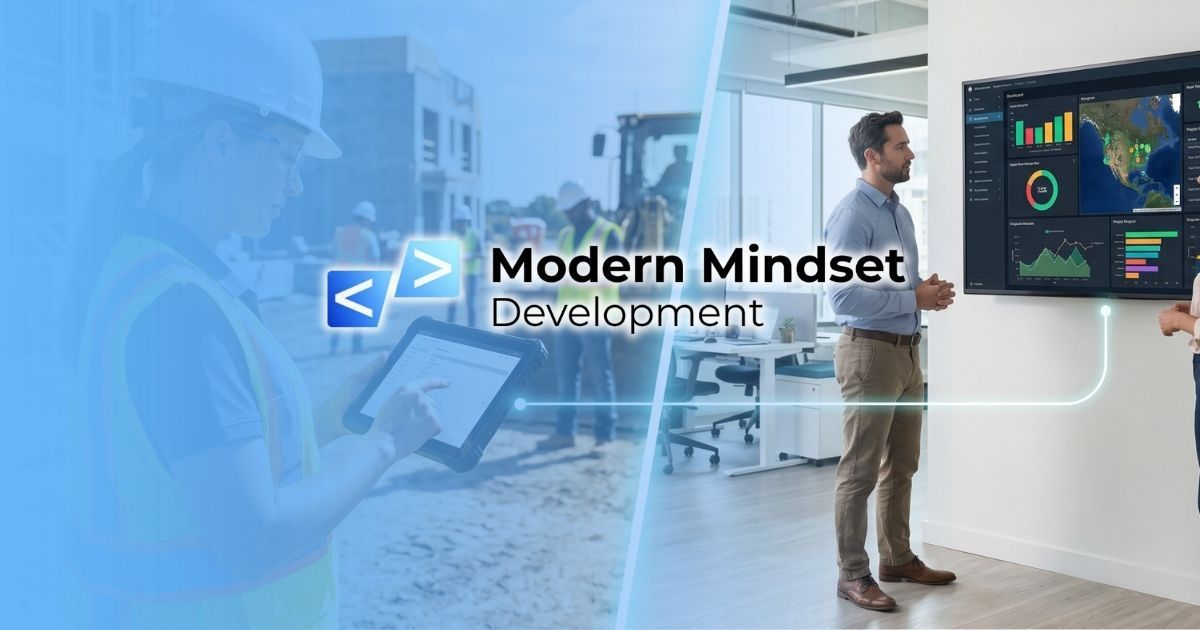
Field crews can submit reports, photos, and job updates directly from mobile devices while on site. That information becomes immediately available to dispatchers, project managers, and office staff, allowing them to monitor job progress and make faster decisions.


By connecting the job site to the office in real time, companies gain better visibility across ongoing projects.

Managing Jobs and Projects More Effectively

Crane and rigging companies frequently manage multiple lifts across different locations, each with unique requirements, timelines, and crews.


Lift Office provides tools to help teams organize and track these projects more clearly. Dispatchers and managers can view scheduled jobs, track project progress, and ensure the right crews and equipment are assigned to each lift.


Because project information lives in one centralized system, teams spend less time searching for details and more time focusing on execution.

Simplifying Field Reporting and Documentation

Field reporting is a critical part of crane operations. Job reports, lift documentation, photos, and safety information must be captured accurately and shared with the office.


Lift Office allows field teams to complete reports directly from their mobile devices using structured, mobile-friendly forms. Crews can attach photos, document site conditions, and submit reports as soon as the work is completed.


This eliminates the need for paper reports and reduces delays in getting important job information back to the office.

Streamlining Quotes, Jobs, and Invoices

Administrative work often takes significant time for crane companies. Information from quotes must be re-entered when jobs are scheduled, and job details must be referenced again when generating invoices.


Lift Office helps streamline this process.


Quotes can be created within the system and then converted directly into scheduled work. Once a job is completed, the same information can be used to generate invoices, reducing duplicate data entry and minimizing administrative overhead.


By connecting these workflows, companies can move from quote to job completion to billing more efficiently.

Built Around Real Operational Challenges

Lift Office is not a generic, one-size-fits-all software product.


At Modern Mindset Development, we use a Plan–Do–Study–Act (PDSA) approach when working with companies. This means we begin by understanding operational challenges before building or configuring solutions.


For crane and rigging companies, this often involves improving communication between field crews and the office, reducing paperwork, and creating better visibility across active jobs.


Lift Office evolves around those needs, allowing companies to adapt the system as their operations grow.

A Platform Designed for Growing Crane Companies

Crane and rigging companies that adopt Lift Office often gain several operational benefits:


  • Improved communication between the office and field crews
  • Clearer visibility across scheduled lifts and projects
  • Reduced paperwork and manual reporting
  • Streamlined quoting, scheduling, and invoicing
  • Better organization of customer and job information


Instead of managing operations across multiple disconnected tools, teams can rely on a single platform designed to support how crane companies actually work.

Moving Operations Forward

As crane and rigging companies grow, their operational complexity grows with them. Systems that once worked may begin to slow down workflows and create unnecessary friction between teams.


Lift Office provides a way to bring those operations together into one connected environment.


By streamlining project management, field reporting, customer tracking, and financial workflows, crane and rigging companies can reduce administrative work, improve communication, and focus more on executing jobs safely and efficiently.


At Modern Mindset Development, our goal is simple: build tools that help companies solve real operational problems and move their business forward.

Learn More About Lift Office

Recent Posts

Maneessha Bommineni welcome post graphic for Modern Mindset Development
February 25, 2026
Meet Maneessha, a software developer joining Modern Mindset with expertise in Java, Spring Boot, ReactJS, and AWS, driven by growth and innovation.
Construction crane silhouette against a foggy building by Modern Mindset Development software.
February 11, 2026
Struggling with lost reports, delayed billing, and poor field communication? Learn how software not built for the field leads to risky workarounds.
Lines of code on a dark screen, likely Python, with highlighted syntax and variables.
January 8, 2026
Why tools like Lovable and Base 44 can fall short for real businesses—and how custom software delivers better security, flexibility, and long-term value.
Cheek Stock promoting inventory management, featuring a screenshot of software interface.
December 31, 2025
See how Trailhead Printing used Cheeky Stock to eliminate stockouts, simplify inventory, and stay ahead with smart alerts—built by Modern Mindset Development.
Light bulb inside a white chalk-drawn thought bubble on a black chalkboard.
November 6, 2025
Discover how Modern Mindset Development helps mid-sized businesses solve real problems with custom software—by diagnosing before building. A smarter, tailored approach to tech.
Nikhil Komatineni, Senior Developer, wearing plaid shirt. Welcome sign over head, website address at bottom.
September 24, 2025
Modern Mindset Development welcomes software developer Nikhil Komatineni, bringing product ownership, problem-solving, and passion to the team.